
Reiki vs. Massage: Understanding the Differences and Which Treatment Is Right for You
Author: Dr. Scott McFarlane, Director of Clinical Excellence, Doctor of Acupuncture & Chinese Medicine
When stress begins to affect your body, finding the right approach to relaxation and recovery can make a meaningful difference. Some people experience physical tension in their shoulders, neck, or back, while others describe feeling mentally overwhelmed, emotionally drained, or unable to fully relax.
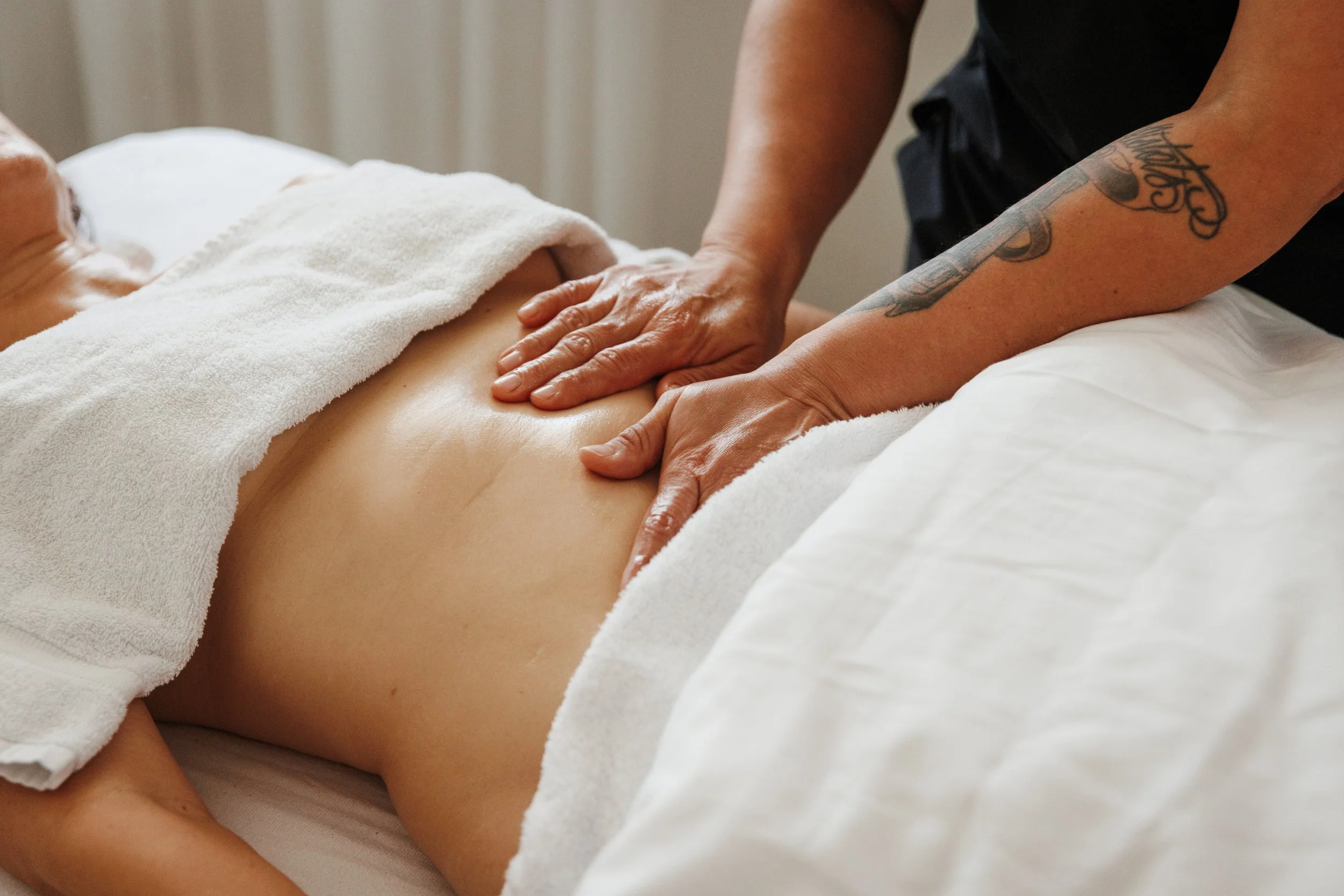
Both Reiki and massage therapy offer opportunities to step away from daily demands and focus on wellbeing. However, these two practices differ in their techniques, intended benefits, and the experiences they provide.
If you have been comparing Reiki vs. massage, understanding these differences can help you decide which treatment aligns more closely with your needs.
At Saffron & Sage in San Diego, both Reiki and massage are available as part of our holistic wellness offerings, giving clients the opportunity to explore approaches that support physical relaxation, emotional wellbeing, and a more intentional relationship with their health.
What Is Reiki, and How Does It Work?
Reiki is a complementary wellness practice that originated in Japan and is commonly described as a form of energy healing. During a Reiki session, a practitioner places their hands lightly on or just above the body, typically while the client remains fully clothed and rests comfortably.
Traditional Reiki is based on the belief that a universal life energy flows through living beings and that practitioners can help facilitate its balance. This concept is central to Reiki's traditional philosophy, although the existence of a measurable Reiki energy field has not been scientifically established.
Unlike massage therapy, Reiki does not involve kneading muscles, applying sustained pressure, or physically manipulating soft tissues. Instead, sessions emphasize stillness, gentle touch or hands-off techniques, and a quiet environment that encourages relaxation.
Some individuals report feeling calmer, more grounded, or emotionally settled after a session. Others may simply appreciate having dedicated time to rest without the physical stimulation associated with massage.
The National Center for Complementary and Integrative Health explains that Reiki has been studied for several health-related purposes, but the available research has not clearly demonstrated its effectiveness for treating specific medical conditions. Reiki should therefore be understood as a complementary wellness practice rather than a replacement for evidence-based medical care (Reiki).
For those interested in mindfulness, relaxation, or exploring energy-based wellness traditions, Reiki may offer a different experience from conventional bodywork.
What Is Massage Therapy, and How Does It Work?
Massage therapy is a hands-on practice that involves manipulating muscles and other soft tissues through techniques such as kneading, gliding strokes, compression, and sustained pressure.
Depending on the massage style and the client's needs, the practitioner may focus on particular areas of discomfort or provide a full-body experience intended to encourage relaxation.
Massage therapy is often associated with managing muscular tension, supporting comfort, and providing temporary relief from certain types of pain.
For example, individuals who spend long hours sitting at a desk may seek massage for tension in the neck and shoulders. Others may incorporate massage into a broader recovery routine after physical activity or periods of increased stress.
The National Center for Complementary and Integrative Health notes that massage therapy has been studied for various pain conditions and may provide short-term benefits for some individuals, although the strength of evidence varies by condition and treatment approach (Massage Therapy: What You Need To Know).
Unlike Reiki, massage involves direct mechanical interaction with the body's soft tissues. This makes it a more physically focused option for individuals seeking hands-on attention to muscular discomfort.
At Saffron & Sage, massage therapy is offered as part of an integrative approach to wellbeing, with treatment considerations guided by individual comfort, preferences, and goals.
Reiki vs. Massage: What Is the Main Difference?
The primary difference between Reiki and massage is how each practice engages with the body.
Massage therapy uses physical touch and soft-tissue manipulation to address muscular tension and encourage relaxation. Reiki, on the other hand, involves light touch or hands positioned above the body without mechanical pressure.
These differences influence both the treatment experience and the reasons someone might choose one approach over the other.
During a massage, clients may notice pressure being applied to specific muscle groups, changes in tissue tension, or a sense of physical relief afterward. The experience can range from gentle relaxation-focused bodywork to more targeted techniques, depending on the service provided.
During Reiki, the experience is generally quieter and less physically active. Clients remain clothed and may focus on their breathing, bodily sensations, or simply resting.
Both practices may create opportunities for relaxation, but they should not be considered interchangeable treatments.
Massage has a direct physical mechanism involving the manipulation of soft tissues. Reiki is rooted in a traditional energy-healing framework, and its proposed energy-based mechanism has not been scientifically verified.
Understanding this distinction allows clients to make informed choices without assuming that the two practices provide identical benefits.
The Benefits of Reiki for Relaxation and Emotional Wellbeing
Reiki is often sought by individuals who want a calming experience without intensive physical touch.
A session may provide an opportunity to slow down, disengage from everyday responsibilities, and focus on rest. This can be particularly appealing for people who feel mentally overstimulated or prefer a gentle wellness experience.
Some clients describe Reiki as a way to create space for reflection or emotional awareness. However, these experiences are subjective and should not be interpreted as proof that Reiki can diagnose emotional imbalances, regulate hormones, or treat mental health conditions.
The calming environment and dedicated time for rest may contribute to the experience, but research has not established how much of any reported benefit is specific to Reiki itself.
For individuals who value contemplative or energy-based wellness practices, Reiki may complement other approaches to self-care, such as meditation, breathwork, or counseling.
At Saffron & Sage, Reiki offers clients an opportunity to explore this traditional practice within a holistic wellness setting.
The Benefits of Massage for Physical Tension and Recovery
Massage therapy may be particularly appealing when physical discomfort is the main concern.
Muscular tension can develop for many reasons, including prolonged sitting, repetitive movements, physical activity, and stress-related changes in muscle activity.
Massage provides direct contact with soft tissues, which may temporarily improve comfort and reduce the perception of muscular tightness.
Some individuals also find that massage helps them relax mentally, particularly when physical tension has been contributing to discomfort throughout the day.
A systematic review and meta-analysis published in Pain Medicine examined massage therapy for pain management and found evidence suggesting potential benefits for certain pain outcomes, while also highlighting limitations in the available research (The Impact of Massage Therapy on Function in Pain Populations: A Systematic Review and Meta-Analysis of Randomized Controlled Trials).
Although massage may support short-term comfort, it is not a substitute for evaluating persistent pain, injuries, or underlying medical conditions.
For individuals experiencing recurring neck tension, back discomfort, or muscular fatigue, a qualified practitioner can help determine whether massage is appropriate and how it may fit into a broader care plan.
Reiki vs. Massage for Stress: Which Is Better?
Stress can influence both physical sensations and emotional experiences, which is why Reiki and massage may appeal to people seeking relief from demanding routines.
However, the choice depends on what kind of experience you are looking for.
If stress tends to manifest as muscle tightness, physical discomfort, or tension across the shoulders and back, massage may be the more relevant option because it directly addresses soft tissues.
If you prefer a quiet, non-invasive session centered on stillness and relaxation, Reiki may feel more aligned with your preferences.
Neither treatment should be presented as a guaranteed solution for chronic stress, anxiety, or burnout.
For persistent stress-related concerns, appropriate medical or mental health support and changes to contributing lifestyle or workplace conditions may be necessary.
Reiki and massage can be considered complementary wellness experiences rather than replacements for those interventions.
Can Reiki and Massage Complement Each Other?
Reiki and massage do not have to be competing choices.
Some individuals may appreciate massage for its physical focus while also enjoying Reiki as a separate practice centered on rest and quiet reflection.
For example, a professional managing long working hours may seek massage when muscular tension becomes uncomfortable and choose Reiki when they want a gentler experience without sustained pressure.
The two approaches can also be incorporated into a broader self-care routine that includes movement, adequate sleep, nutrition, and stress-management practices.
However, combining Reiki and massage has not been established as producing greater clinical benefits than either practice alone.
The value of including both depends on individual preferences, treatment goals, and whether each service is appropriate for the person's health circumstances.
At Saffron & Sage, offering both modalities allows clients to explore different forms of support rather than relying on a single approach to wellbeing.
Choosing Between Reiki and Massage at Saffron & Sage
Deciding between Reiki and massage begins with understanding what you want from your appointment.
If your priority is physical relaxation, hands-on bodywork, or attention to areas of muscular tension, massage therapy may be a suitable starting point.
If you are interested in a quieter experience that involves minimal physical touch and draws from traditional energy-healing practices, Reiki may be worth exploring.
Personal comfort also matters. Some people enjoy sustained pressure during massage, while others prefer the gentle nature of Reiki.
At Saffron & Sage, both services are part of our holistic wellness offerings, allowing clients to consider their individual needs and preferences when choosing a treatment.
If you have a medical condition, recent injury, persistent pain, or other concerns that may affect treatment suitability, discuss them with an appropriate healthcare professional before booking.
The objective is not to determine which modality is universally better. It is to identify an experience that fits your goals and complements your overall approach to health.
Reiki and Massage Offer Different Paths to Relaxation
The comparison between Reiki vs. massage ultimately comes down to the type of support and experience you are seeking.
Massage therapy involves direct soft-tissue manipulation and may help with certain forms of muscular discomfort and short-term relaxation. Reiki offers a gentle, energy-based wellness experience centered on stillness, with reported relaxation benefits that remain less clearly established by scientific research.
Both can provide dedicated time for rest, but they differ in their methods and the evidence supporting their health-related effects.
At Saffron & Sage, the availability of both Reiki and massage creates opportunities to explore personalized wellness experiences that reflect your preferences, physical needs, and overall wellbeing goals.
Experience Reiki and Massage at Saffron & Sage
Find the treatment that fits your needs at Saffron & Sage in San Diego. Explore our massage therapy offerings and Reiki sessions as part of a personalized approach to relaxation and wellbeing. Call 619-933-2340 to connect with our Concierge team and schedule your appointment.
Disclaimer: This post is for educational and informational purposes only and does not constitute medical advice, diagnosis, or treatment. Always consult a qualified healthcare provider before making health decisions. Medical services provided by Kasawa Medical APC, dba Saffron & Sage MD, an independent California medical practice. Non-medical wellness services provided by Saffron & Sage LLC, dba Saffron & Sage.