
Beyond the Needles: What Most People Don't Realize About Acupuncture
Author: Dr. Scott McFarlane, Director of Clinical Excellence, Doctor of Acupuncture & Chinese Medicine
When people think of acupuncture, they often picture a series of tiny needles placed along the body. While needle placement is an essential part of treatment, acupuncture involves much more than the needles themselves.
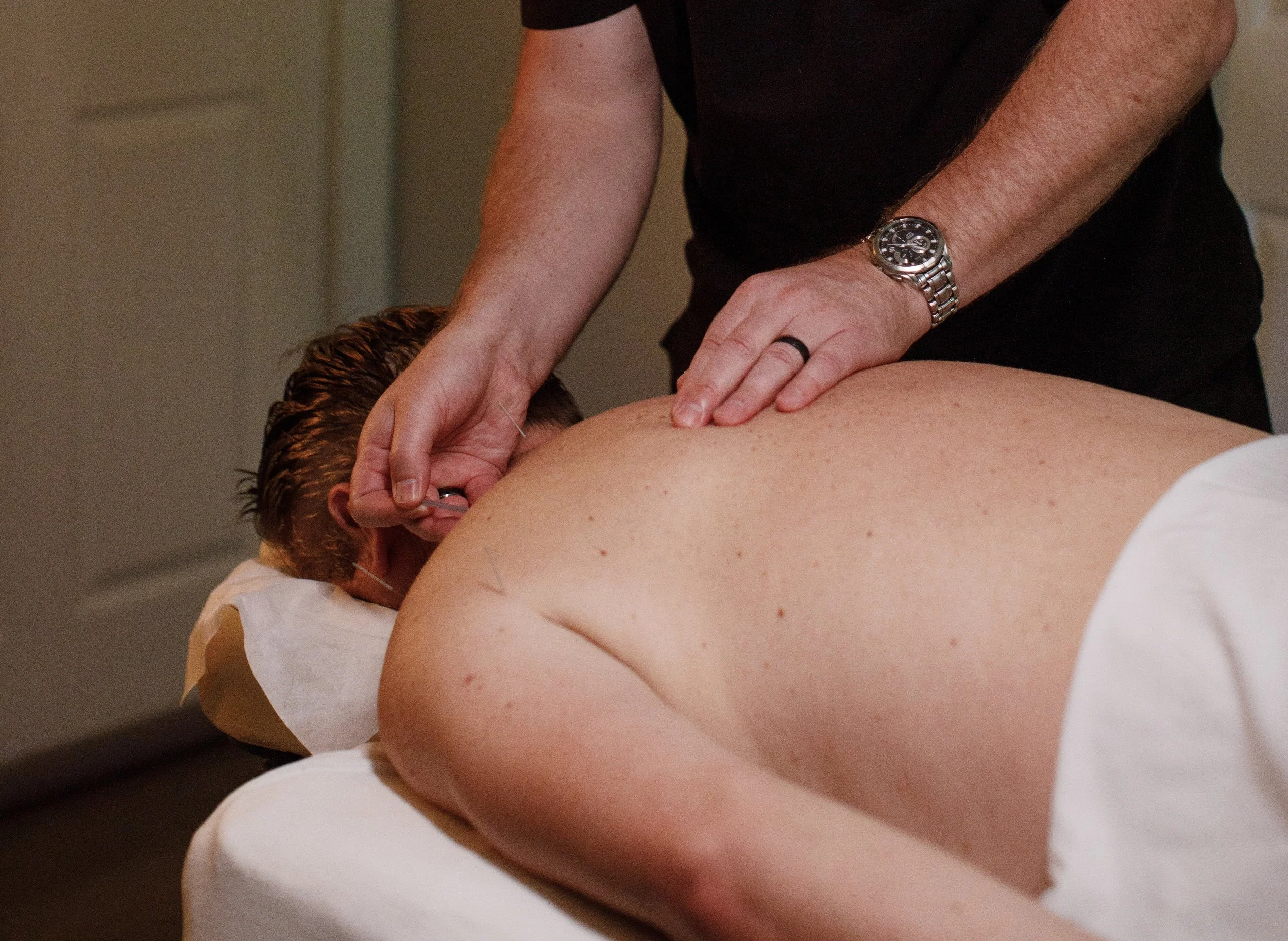
Rooted in Traditional Chinese Medicine, or TCM, acupuncture has been practiced for thousands of years and continues to hold a place within modern integrative healthcare. Today, it is explored for concerns ranging from chronic pain and muscular tension to headaches and broader wellbeing.
Despite its long history, many aspects of acupuncture remain unfamiliar to people who have never experienced it. Some assume the treatment will be painful. Others think acupuncture is used exclusively for physical discomfort or that the needles must always be placed exactly where symptoms occur.
At Saffron & Sage in San Diego, acupuncture is approached as part of personalized, collaborative care. Understanding what acupuncture involves, what it may support, and what happens during a session can help you make a more informed decision about whether it belongs in your broader healthcare routine.
Acupuncture Is About More Than Pain Relief
Acupuncture is frequently associated with back pain, neck tension, and muscular discomfort. Pain management is one of its most researched applications, but the practice has also been studied for several other health concerns.
According to the National Center for Complementary and Integrative Health, or NCCIH, acupuncture may be helpful for certain pain conditions, including chronic low back pain, neck pain, and knee osteoarthritis. Research has also explored its use for headaches and migraines, as well as treatment related nausea, although the strength of evidence varies by condition. (Acupuncture: Effectiveness and Safety).
That evidence based perspective exists alongside the traditional framework from which acupuncture developed.
In Traditional Chinese Medicine, acupuncture is based on the concept of Qi, traditionally understood as vital energy or functional activity moving through pathways called meridians. Practitioners select acupuncture points according to patterns identified through a traditional assessment rather than simply choosing the area that hurts.
Modern research approaches acupuncture differently. Investigators have explored its potential effects on nervous system activity, connective tissues, and pain processing. The mechanisms are not fully understood, and traditional explanations involving Qi and meridians have not been scientifically established as anatomical processes.
These are two different frameworks for understanding the same practice.
The distinction matters because acupuncture does not need to be reduced to either its traditional philosophy or one modern physiological explanation. Its long clinical history and ongoing scientific study are both part of why it remains a distinctive component of integrative healthcare.
The Needles Are Much Finer Than You Might Expect
One of the most common concerns people have before their first acupuncture appointment is whether the needles will hurt.
That concern is understandable, particularly for anyone whose experience with needles comes primarily from injections, vaccinations, or blood draws.
Acupuncture needles are different.
Unlike conventional medical needles used to inject medication or draw blood, acupuncture needles are extremely thin, solid, and designed for insertion into specific points without delivering medication.
Many people experience little discomfort during insertion. Others may notice a brief pinch, tingling, warmth, or a dull sensation around the treatment area.
The Cleveland Clinic explains that acupuncture needles are considerably thinner than conventional medical needles and that the sensations experienced during treatment can vary depending on the location of the needle and the individual receiving treatment. (What Does Acupuncture Feel Like?).
For many people, this difference changes the way they think about the experience.
Someone who describes themselves as afraid of needles may be imagining a much larger hollow needle rather than the fine acupuncture needles used during treatment.
That does not mean every sensation should simply be tolerated. Significant or persistent pain should not be ignored. A qualified acupuncturist can adjust or remove a needle if discomfort occurs.
Understanding what acupuncture needles actually are can make the first appointment feel considerably more approachable.
Acupuncture Points Are Not Always Located Where You Feel Discomfort
Another aspect of acupuncture that often surprises people is that needles are not necessarily placed directly where symptoms are occurring.
Someone seeking treatment for neck tension, for example, may receive acupuncture at points along the arms, hands, or legs in addition to points closer to the neck.
Within Traditional Chinese Medicine, point selection is guided by the meridian framework and the practitioner's assessment of the individual's overall pattern.
This approach differs from treatments that focus exclusively on the location of pain.
The traditional model views different regions of the body as connected through meridian pathways. A practitioner may therefore select points that appear distant from the symptomatic area because those points have a specific role within the TCM pattern being addressed.
Modern explanations for acupuncture’s effects are still being investigated, and the traditional meridian system should not be interpreted as a scientifically established network of anatomical structures.
Still, the approach helps explain why an acupuncture appointment often involves more than simply identifying the painful area and placing needles directly into it.
At Saffron & Sage, treatment considerations may include current symptoms, health history, daily habits, and broader wellness goals. This allows the acupuncture session to be shaped around the individual rather than around one isolated complaint.
Acupuncture May Influence the Nervous System
Acupuncture is often discussed in relation to relaxation, but its potential interaction with the nervous system is also an area of scientific interest.
Research suggests that acupuncture stimulation may influence certain neural pathways and processes involved in pain perception. These effects may contribute to some of the benefits observed in clinical studies.
That does not mean acupuncture simply flips the nervous system from a stressed state into a relaxed state.
It should also not be described as a guaranteed way to reset nervous system function.
Human physiology is more complex than that.
For people managing demanding schedules, persistent tension, or difficulty unwinding, acupuncture may still provide a structured opportunity to slow down while also addressing appropriate health concerns.
Some people report feeling calm or sleepy during or after treatment. Others may notice very little immediate change.
Both experiences can occur.
The absence of a dramatic sensation during treatment does not necessarily determine whether acupuncture will ultimately be helpful.
This is one reason acupuncture is better evaluated over time and within the context of the goal being addressed rather than solely by whether a person feels different the moment they leave the treatment room.
Your First Acupuncture Appointment Is More Than a Treatment Session
For someone new to acupuncture, the first visit may involve more conversation and assessment than expected.
Before treatment begins, the practitioner typically reviews the concerns that brought you in, relevant medical history, current symptoms, and treatment goals.
Depending on the practitioner’s approach, the conversation may also include questions about sleep, digestion, stress, physical activity, and other lifestyle factors.
Within Traditional Chinese Medicine, practitioners may additionally examine the tongue and assess pulse qualities as part of the traditional diagnostic framework.
These observations belong to Chinese medicine assessment and are not substitutes for conventional medical testing.
Once the assessment is complete, the practitioner selects acupuncture points and inserts sterile, single use needles.
The needles generally remain in place for a period of time while the patient rests comfortably.
The Cleveland Clinic describes acupuncture visits as involving an individualized assessment followed by needle placement and a period of rest, with treatment plans adjusted according to patient needs (Acupuncture: What To Know).
This individualized component is part of what distinguishes acupuncture from a standardized procedure in which every person receives the same points for the same complaint.
At Saffron & Sage, acupuncture is provided by licensed practitioners and can also be coordinated with other healthcare offerings when appropriate, supporting a more connected approach to individual health goals.
Acupuncture Is Not Necessarily a One-Session Treatment
Another common misconception is that acupuncture should create a noticeable improvement after a single appointment.
Some people do report changes in discomfort or relaxation after one treatment.
Others do not.
Treatment frequency depends on several factors, including the concern being addressed, how long it has been present, individual response, and the practitioner’s recommendations.
Someone seeking support for an ongoing pain condition, for example, may follow a different treatment schedule from someone exploring acupuncture as part of a broader wellness routine.
This is why realistic expectations matter.
Acupuncture does not guarantee improvement for every condition, and continuing treatment indefinitely without evaluating whether it is actually helping is not the goal.
A thoughtful treatment plan should include appropriate reassessment.
Is the symptom changing?
Is function improving?
Is the person noticing a meaningful difference?
Does the treatment plan still make sense?
Those questions help determine whether acupuncture is contributing to the person’s overall care or whether another medical or therapeutic approach should be considered.
Acupuncture Can Be Part of a Broader Integrative Healthcare Plan
Acupuncture is sometimes viewed as a standalone wellness treatment, but it can also complement other forms of healthcare.
At Saffron & Sage, acupuncture is incorporated into a collaborative care model that brings together Eastern and Western medical perspectives.
Depending on individual needs, acupuncture may be considered alongside offerings such as massage therapy, movement therapy, naturopathic care, and other appropriate clinical services.
For example, someone experiencing recurring muscular discomfort may benefit from a broader assessment of physical activity, movement patterns, work habits, and relevant medical concerns rather than relying on acupuncture alone.
Similarly, an individual navigating persistent stress may benefit from a combination of supportive wellness practices and changes to the circumstances contributing to that stress.
This integrated perspective recognizes that health concerns often involve multiple contributing factors.
Acupuncture can be one component of care without being presented as a replacement for medical evaluation, necessary treatment, or healthy lifestyle practices.
Is Acupuncture Right for Everyone?
Acupuncture is generally considered safe when performed appropriately by a qualified practitioner using sterile, single use needles.
Like other healthcare treatments, however, it is not entirely without risk.
Temporary soreness, minor bleeding, or bruising can occur. Serious complications are uncommon but may result from improper needle placement or unsafe practices.
Certain health circumstances also need to be discussed before treatment.
Individuals who are pregnant, have bleeding disorders, take anticoagulant medications, or have certain medical conditions should inform their practitioner before acupuncture begins.
Acupuncture may be inappropriate in some situations or may require modifications.
A qualified practitioner can help determine whether treatment is appropriate and whether another type of medical evaluation should take priority.
This is part of informed care.
The decision to pursue acupuncture should be based on individual health needs, informed consent, realistic expectations, and a clear understanding of what the treatment is intended to address.
Conclusion: There Is More to Acupuncture Than Meets the Eye
Acupuncture is more than the placement of fine needles.
Its traditional foundations, individualized point selection, potential effects on pain processing, and place within integrative healthcare make it a much broader practice than the image many people have before their first appointment.
For some people, acupuncture may provide a useful option for certain pain conditions.
For others, the appeal may include the opportunity to experience an individualized treatment within a broader health and wellness plan.
In both cases, understanding what acupuncture can and cannot do is part of making an informed decision.
At Saffron & Sage, acupuncture is approached with attention to the individual, realistic treatment goals, and collaboration across different areas of care when appropriate.
Through The Saffron Method™, the objective is not to treat every concern with the same acupuncture protocol.
It is to understand the person, identify what deserves attention, and determine where acupuncture may fit within a more complete approach to health.
Experience Personalized Acupuncture at Saffron & Sage
If you have been curious about acupuncture but hesitant because of the needles, uncertain about what treatment involves, or unsure whether it fits your health goals, a consultation can help clarify what the experience actually looks like.
Our licensed acupuncture practitioners provide individualized care designed to complement your broader health goals and can help determine whether acupuncture is an appropriate part of your care.
Healing begins when the nervous system finally feels supported instead of overwhelmed.
Learn more about our Acupuncture offerings or call 619-933-2340 to connect with our Concierge team and schedule your appointment.
Healing begins when the nervous system finally feels supported instead of overwhelmed.
Disclaimer: This post is for educational and informational purposes only and does not constitute medical advice, diagnosis, or treatment. Always consult a qualified healthcare provider before making health decisions. Medical services provided by Kasawa Medical APC, dba Saffron & Sage MD, an independent California medical practice. Non-medical wellness services provided by Saffron & Sage LLC, dba Saffron & Sage.