
Why “Relax More” Doesn’t Work; Try Regulation Instead
Author: Dr. Scott McFarlane, Clinic Director, Doctor of Acupuncture & Chinese Medicine
Many people are told to “relax more” when dealing with stress, fatigue, or emotional overwhelm. The advice sounds simple and reasonable. Yet in clinical practice, this advice often falls short.
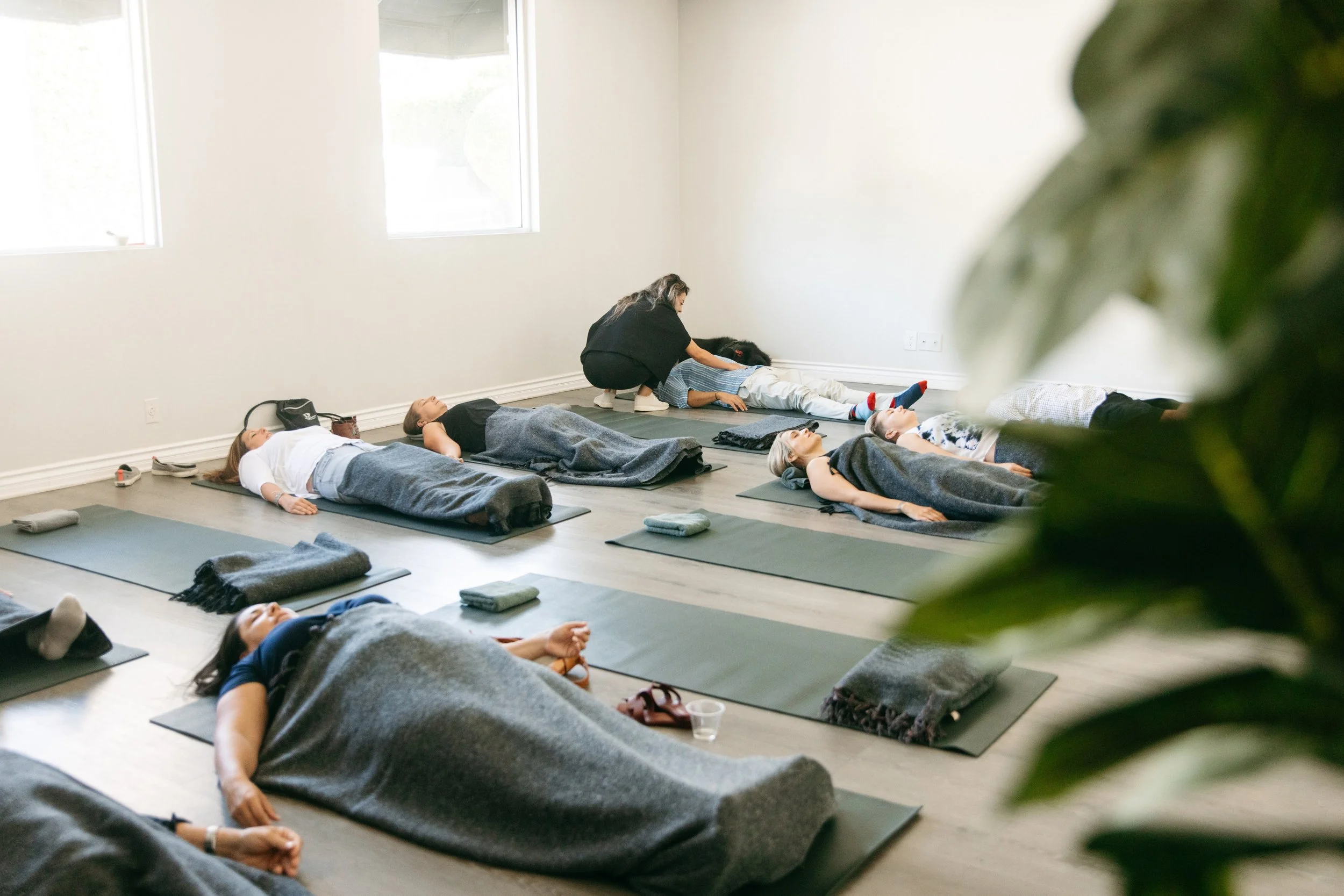
High-performing professionals frequently report the same pattern. They take time off, use meditation applications, or step away briefly, yet their body remains tense and their mind continues to race. Recovery feels incomplete.
This occurs because stress is not simply a mental experience. It is a physiological state governed by the nervous system. When the body is held in a persistent stress response, relaxation may provide short term relief but rarely creates lasting change.
Within integrative care, the focus shifts from relaxation to regulation. Regulation supports the body in moving out of chronic stress patterns and returning to a stable baseline where recovery, clarity, and resilience can occur.
At Saffron and Sage, stress physiology is approached through therapies that restore nervous system balance rather than relying on surface level interventions.
Why Relaxation Alone Often Fails
Relaxation strategies are based on the assumption that stress can be consciously turned off. In reality, stress responses are driven by the autonomic nervous system, which operates largely outside conscious awareness.
The autonomic nervous system includes two primary branches:
The sympathetic nervous system, which governs alertness, focus, and the stress response
The parasympathetic nervous system, which supports recovery, digestion, and restoration
With chronic stress exposure, the sympathetic system becomes dominant. This may initially enhance productivity. Over time, the body adapts to a constant state of activation.
In this state, even minor demands are interpreted as stressors. Cortisol and adrenaline remain elevated, heart rate increases, and muscular tension persists.
Asking the body to relax without addressing this underlying physiology is often ineffective. The system requires support in shifting out of activation, not simply instruction to calm down.
Research in neuroscience has demonstrated that chronic stress can alter brain regions responsible for emotional regulation and executive function (Stress Effects on the Brain). Without addressing these biological changes, relaxation alone is unlikely to restore balance.
Understanding Nervous System Regulation
Regulation refers to the body’s ability to move fluidly between activation and recovery. A well regulated system can meet demands and then return to a calm baseline once the demand has passed.
This flexibility supports:
Stable emotional responses
Restorative sleep
Consistent cognitive performance
Efficient metabolic recovery
Balanced hormonal signaling
When regulation is impaired, individuals may feel constantly alert, even in environments that should allow rest.
Research in autonomic physiology has shown that balanced nervous system activity is associated with improved stress resilience and emotional stability (Heart Rate Variability and Neurovisceral Integration). This distinction explains why regulation is more effective than simple relaxation strategies.
Signs the Nervous System Is Stuck in Stress Mode
Stress is often interpreted as a psychological experience, yet many symptoms reflect underlying physiological dysregulation.
Common indicators include:
Difficulty falling asleep despite fatigue
Persistent mental overactivity
Ongoing muscle tension
Heightened sensitivity to stress
Reduced emotional resilience
Digestive disruption
Brain fog or reduced clarity
These patterns suggest that the body is spending prolonged time in a state of activation without adequate recovery.
Without targeted support, this state can become the new baseline, making it increasingly difficult for the body to return to equilibrium.
The Role of Regulation in Holistic Healthcare
Holistic healthcare addresses stress by evaluating the systems that influence nervous system function, including sleep, hormones, metabolism, and emotional health.
At Saffron and Sage, care is designed to restore balance at a systems level so the body can return to its natural recovery state.
This may include:
Acupuncture to support autonomic balance
Somatic therapies to release stored physical tension
Breathwork to influence vagal tone and support regulation
Naturopathic oversight to address metabolic and hormonal contributors
These therapies work together to reduce chronic activation and restore physiological flexibility.
Why Regulation Improves Long-Term Wellbeing
A regulated nervous system allows individuals to perform at a high level without depleting internal resources.
As regulation improves, individuals often experience:
Greater emotional stability
Improved sleep quality
More consistent energy
Enhanced cognitive clarity
Faster recovery after periods of demand
Research has shown that chronic stress can dysregulate the body’s stress response system, contributing to sleep disruption, cardiovascular strain, and metabolic imbalance (Understanding the Stress Response).
By restoring regulation, the body regains its ability to recover rather than accumulate stress.
Regulation Supports Sustainable Performance
Sustained stress is often associated with productivity, yet over time it reduces performance capacity.
When the nervous system remains overactivated, decision making becomes less efficient, emotional reactivity increases, and recovery becomes limited.
Regulation allows individuals to maintain intensity when needed while preserving long term health.
For leaders and entrepreneurs, this translates to clearer thinking, more stable communication, and consistent performance under pressure.
Regulation Is the Missing Piece
The recommendation to relax more does not account for how the body processes stress. Relaxation may feel helpful in the moment, but lasting change requires restoring the body’s ability to regulate itself.
When the nervous system regains flexibility, sleep improves, emotional balance stabilizes, and resilience strengthens.
Understanding stress through a physiological lens allows individuals to move beyond temporary strategies and address the underlying drivers of chronic stress.
Support Nervous System Regulation at Saffron & Sage
If stress feels constant and relaxation strategies have not provided lasting results, your nervous system may need deeper support.
At Saffron & Sage in San Diego, holistic health practitioners focus on therapies that restore nervous system regulation and support long-term wellbeing. Through integrative care and individualized treatment strategies, the team helps patients address the biological foundations of stress.
Call us today at 619-933-2340 to learn more about the integrative services available at Saffron & Sage.
Move beyond temporary relaxation and build a foundation for lasting wellbeing.
Disclaimer: This post is for educational and informational purposes only and does not constitute medical advice, diagnosis, or treatment. Always consult a qualified healthcare provider before making health decisions. Medical services provided by Kasawa Medical APC, dba Saffron & Sage MD, an independent California medical practice. Non-medical wellness services provided by Saffron & Sage LLC, dba Saffron & Sage.