
Why Are Peptide Injections Becoming Part of Preventative Holistic Healthcare in San Diego?
Author: Dr. Kolin Durrant, Integrative Care Director, Doctor of Acupuncture & Chinese Medicine
Preventative care is evolving. More individuals are shifting away from reactive medicine and embracing proactive strategies that protect long-term wellbeing, cellular resilience, and functional physical health. Within this paradigm, peptide injections are emerging as a clinical tool used by holistic practitioners to support the body before dysfunction becomes disease.
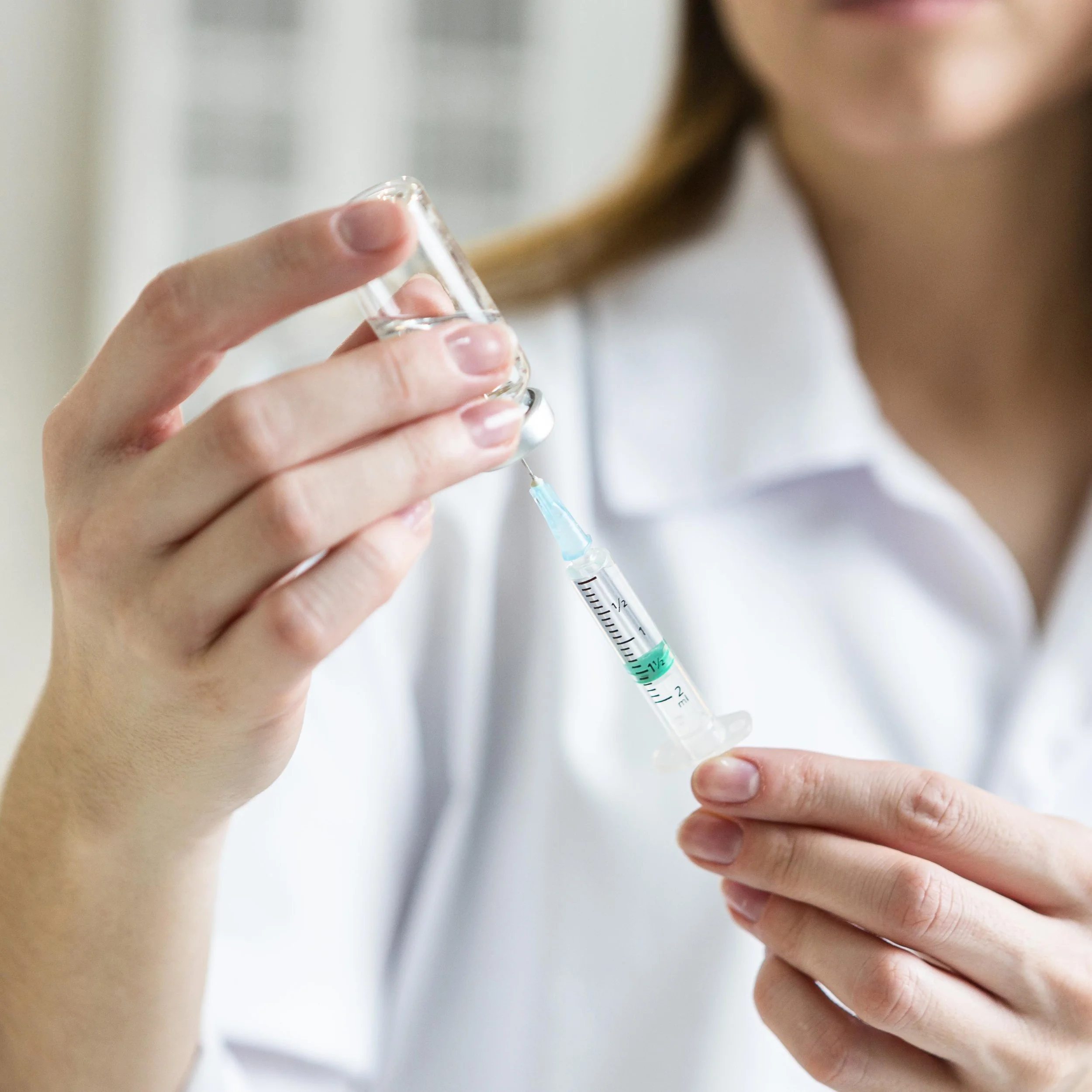
In San Diego, where health optimization and longevity-focused care are increasingly valued, peptide therapy is gaining traction. This is not a passing trend. It is part of an evidence-based approach to modern holistic healthcare.
This article explores why peptides are being utilized in preventative care, how they support system-wide health, and what current research reveals.
Preventative Healthcare and the Role of Cellular Signaling
At the core of preventative holistic care is the goal of maintaining optimal function across major systems, including the immune, hormonal, metabolic, neurological, and musculoskeletal networks.
This process relies on cellular communication. Cells respond to internal and external stressors by using chemical messengers that regulate repair, adaptation, and homeostasis. Among the most important of these messengers are peptides.
With time, stress, inflammation, aging, and environmental exposures, the efficiency of these signals declines. Preventative medicine seeks to maintain and support these pathways before the onset of clinical symptoms or disease progression.
What Makes Peptides Relevant in Preventative Care
Peptides do not operate like medications designed to suppress or override symptoms. Instead, they support natural communication between cells and reinforce processes already embedded in human physiology.
From a holistic standpoint, peptides are relevant because they:
Work synergistically with the body rather than against it
Enhance natural communication pathways
Can be selected based on individual system needs
Support adaptability, balance, and physiological resilience
These properties make peptides an ideal adjunct to preventative models focused on sustaining long-term wellness.
How Peptide Injections Support System-Level Health
Immune System Regulation
Certain peptides are known to influence immune balance without overstimulating immune response. In preventative care, the goal is not immune activation but modulation, supporting appropriate responses while reducing the risk of chronic inflammation (Peptides and Their Role in Immune Regulation – Frontiers in Immunology).
Immune regulation is essential for physical vitality, energy balance, and disease prevention.
Neuroendocrine Stability and Stress Response
Chronic stress disrupts communication between the brain, endocrine glands, and body tissues. Peptides involved in neuroendocrine signaling may help stabilize cortisol rhythms, sleep cycles, and parasympathetic recovery.
Addressing stress regulation is foundational in preventative medicine, as it supports cardiovascular, cognitive, metabolic, and immune health.
Musculoskeletal Preservation Across the Lifespan
Loss of muscle tone, connective tissue integrity, and joint stability often begins earlier than expected. Peptides that support growth hormone signaling or tissue regeneration may help preserve these structures before pain or degeneration occur (The Role of Peptides in Musculoskeletal Health – Journal of Clinical Medicine).
Metabolic Flexibility and Insulin Sensitivity
One of the most valuable targets in preventative care is metabolic flexibility: the body’s ability to switch between fuel sources efficiently while maintaining stable energy and blood sugar.
Peptides such as MOTS-c and AOD-9604 are being studied for their effects on glucose metabolism, lipid utilization, and energy homeostasis. These mechanisms may be especially beneficial for individuals with early signs of fatigue, weight changes, or prediabetic markers.
Metabolic health is a pillar of preventative care and lifelong vitality.
Why Injections Are Used Instead of Oral Peptides
Peptides are composed of amino acids that can be easily broken down in the digestive tract. Oral forms often degrade before they reach circulation.
Injection bypasses this breakdown, allowing the peptide to circulate and bind to target receptors effectively. This delivery method allows for more precise dosing and better therapeutic reliability, which is essential in a clinical setting.
Who Preventative Peptide Therapy Is Designed For
Peptide therapy in the context of preventative care may be a fit for individuals who:
Seek to preserve musculoskeletal and metabolic health
Show early signs of stress dysregulation or hormonal imbalance
Prioritize longevity and resilience
Are motivated by science-based, proactive wellness
Value an integrative approach to physical health
This therapeutic strategy is not reactive. It is designed to maintain function before it declines.
Evidence, Safety, and Responsible Use
While peptides are biologically compatible and well-tolerated in many cases, they are not free of risk. Variability in peptide sourcing, formulation, and individual response underscores the need for professional oversight (Clinical Considerations for Peptide-Based Therapies – Endocrine Reviews).
Responsible use in holistic care includes:
Medical-grade, third-party verified peptide sourcing
Practitioner-guided dosing and protocols
Ongoing clinical monitoring
Integration with nutrition, movement, sleep, and stress management strategies
Preventative use does not imply casual or unsupervised use.
How Holistic Health Practitioners Integrate Peptides
In clinical practice, peptides are used as part of a structured plan that may also include:
Stress regulation practices
Sleep optimization
Movement and recovery planning
Hormonal and metabolic assessment
Peptides are not meant to replace foundational care. They are tools that enhance and accelerate system function when paired with comprehensive lifestyle medicine.
Why This Matters in San Diego
San Diego is home to a vibrant, health-oriented population that values performance, longevity, and proactive care. Peptides align well with this cultural priority. Residents are not simply seeking to treat illness. They are looking for ways to feel strong, balanced, and resilient across every stage of life.
Holistic healthcare clubs provide the infrastructure, expertise, and integrity required to deliver these therapies in a thoughtful and safe manner.
Common Preventative Misconceptions
“Preventative means experimental”
In reality, peptide use in prevention is supported by well-documented biological mechanisms and peer-reviewed research when used appropriately.
“If you feel fine, you do not need support”
Preventative care exists to address changes before symptoms appear. Dysfunction can develop silently for years before it becomes clinically visible.
“Peptides replace healthy habits”
Peptides amplify what is already functioning. They cannot override chronic poor sleep, nutrient deficiencies, or unresolved stress.
Peptides as a Preventative Holistic Tool
Peptide injections are not miracle solutions. Their value lies in their ability to support physiological communication, adaptability, and tissue resilience. When integrated into a functional and holistic framework, peptides may enhance repair, regulate metabolic shifts, and sustain wellness over time.
Preventative Care at Saffron & Sage
At Saffron and Sage, we believe the best time to support your body is before imbalance develops. Peptide therapy is evaluated as part of a larger, personalized model that includes diagnostics, lifestyle optimization, and practitioner-guided therapies.
As a women-owned, integrative healthcare club in San Diego, our mission is to help you build a life of strength, clarity, and wellness that lasts.
Contact us today at 619-933-2340 to learn more about your preventative health options.