
What Movements Support Nervous System Healing?
Author: Dr. Kolin Durrant, Integrative Care Director, Doctor of Acupuncture & Chinese Medicine
The nervous system governs how the body responds to stress, recovers from illness, processes emotions, and sustains physical health. When chronically overstimulated or dysregulated, the nervous system can give rise to symptoms such as anxiety, fatigue, pain, sleep disruption, and emotional instability. These concerns are increasingly common due to persistent stress, trauma exposure, sedentary lifestyles, and continuous cognitive demands.
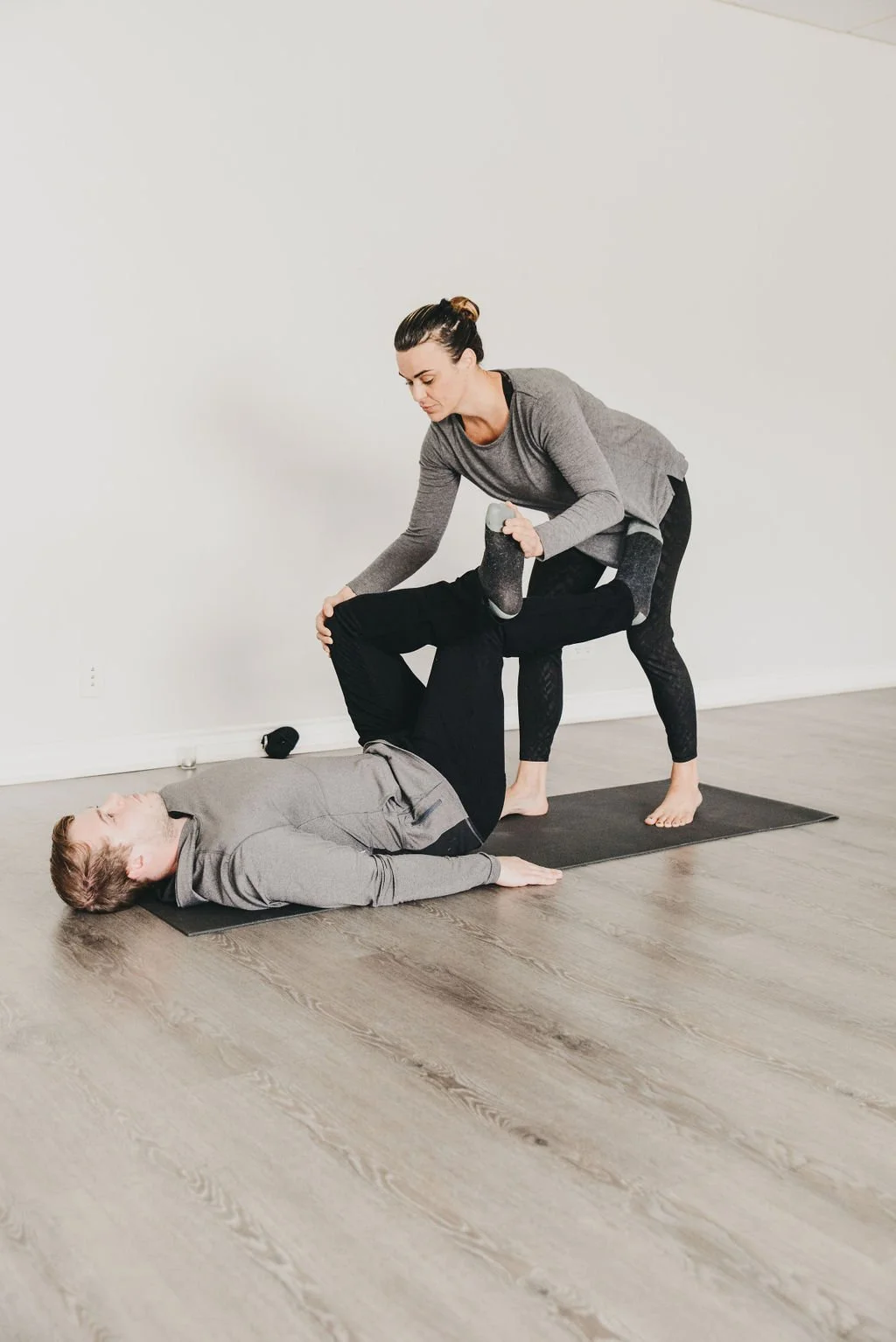
While talk therapy and medication are often helpful, current research affirms that movement-based interventions play a critical role in nervous system healing. Certain types of therapeutic movement can activate the parasympathetic branch of the autonomic nervous system, help the body shift out of survival states, and create the internal conditions required for lasting regulation. In holistic healthcare, movement is not reduced to fitness alone. It is recognized as a potent therapeutic tool that fosters recovery and resilience.
Healing the nervous system requires more than physical rest. It calls for intentional movement that communicates safety to the brain, enhances vagal tone, and strengthens coordination between brain and body. Holistic practitioners emphasize that the most effective movements for healing are slow, rhythmic, and sensory-aware. Understanding which movements support this healing process allows individuals to take a more active role in improving their own regulation and wellbeing.
Why Movement Matters for Nervous System Regulation
The nervous system includes both the central and autonomic branches. The autonomic nervous system regulates internal states through two opposing forces: the sympathetic system, which prepares the body for action, and the parasympathetic system, which supports restoration. When the sympathetic branch dominates for too long, it elevates cortisol, tightens muscles, shortens the breath, and sharpens emotional reactivity.
Movement can shift this state by supplying the brain with sensory feedback, proprioceptive signals, and organized rhythms that calm neural activity. When practiced with intention and control, movement activates the parasympathetic system and supports vagus nerve function. The result is improved heart rate variability, lower inflammation, and greater emotional stability. In this way, movement becomes a form of therapy that addresses mind and body together.
Science-Based Evidence Linking Movement and Nervous System Healing
Research consistently demonstrates that specific movement modalities improve autonomic regulation and emotional resilience.
A study published in Frontiers in Psychology found that gentle, mindful movement practices significantly improved vagal tone and reduced stress-related symptoms by enhancing parasympathetic activity (“Movement-Based Practices and Autonomic Nervous System Regulation”).
Research in The Journal of Bodywork and Movement Therapies showed that somatic and movement-based therapies reduced symptoms of anxiety and trauma by improving nervous system flexibility and interoceptive awareness (“Somatic Movement Therapy and Nervous System Regulation”).
A review published in Neuroscience & Biobehavioral Reviews demonstrated that rhythmic movement and physical activity improve neuroplasticity and stress regulation by modulating cortisol and improving neural connectivity (“Physical Activity and Stress Regulation in the Brain”).
These findings confirm that movement is not an optional component of healing. It is a foundational part of restoring nervous system balance.
Types of Movement That Promote Nervous System Healing
Effective movement for nervous system recovery shares a few key qualities. It is gentle, sensory-aware, rhythmic, and internally focused. The goal is to bring the system into a state of safety, rather than stimulate it further.
Slow, Intentional Walking
Mindful walking, especially outdoors, offers bilateral stimulation and visual grounding. These inputs calm the amygdala and regulate breathing. Without music or devices, the nervous system can fully engage with the natural environment, making walking a powerful yet accessible intervention.Yoga for Regulation Rather Than Performance
Gentle forms of yoga such as restorative, yin, or trauma-informed styles support vagal stimulation, reduce tension, and lower cortisol. The emphasis is placed on breath coordination, emotional safety, and inward attention rather than flexibility or endurance goals.Somatic Movement Therapy
Somatic movement cultivates awareness of internal sensations. The movements are small, slow, and exploratory. This approach retrains the brain-body relationship and is particularly effective for those with chronic stress, trauma, or disconnection from their physical experience.Gentle Strength and Resistance Training
Slow resistance training with mindful attention improves proprioception and muscular control, both of which reinforce nervous system safety. It also supports glucose metabolism, posture, and long-term physical health without overwhelming the system.Tai Chi and Qigong
These traditional practices use slow, flowing movements combined with conscious breath. They reduce anxiety, promote parasympathetic activity, and regulate emotional responses through the integration of physical and energetic awareness.Breath-Led Movement
When movements are paced with the rhythm of the breath, the nervous system receives strong cues of safety. This coordination enhances heart rate variability and increases vagal tone. Breath-led movement is central to many trauma-informed and integrative therapies.Structured and Rhythmic Dance
Dance can be therapeutic when it is rhythm-based and emotionally contained. Structured patterns help regulate neural activity and provide an outlet for expression that does not rely on verbal processing. This is especially supportive for individuals recovering from emotional overload.
Movements That May Interfere with Nervous System Healing
Some forms of exercise can compound dysregulation if the nervous system is already under strain. These include:
High-intensity interval training without sufficient rest
Excessive endurance training
Performance-focused workouts or competitive training environments
Overexertion with poor body awareness
These activities raise sympathetic tone and cortisol output, which may worsen symptoms of anxiety, fatigue, or emotional reactivity in vulnerable individuals.
How Holistic Practitioners Integrate Movement Therapy
Holistic health providers assess each individual's nervous system state before recommending movement-based interventions. Rather than assigning generic workouts, they design personalized movement protocols based on stress response, trauma history, and overall health. This ensures that movement serves as a tool for healing, not another demand on the system.
In San Diego, integrative clinics increasingly incorporate movement therapy alongside therapy, breathwork, acupuncture, and bodywork. This integrated approach supports physical health and emotional wellbeing concurrently, improving outcomes for individuals dealing with chronic stress, trauma, pain, or burnout.
Benefits of Nervous System Supportive Movement Over Time
When practiced consistently, nervous system-focused movement creates adaptive shifts in both physiology and perception. Long-term benefits include:
Improved sleep and circadian rhythm
Enhanced digestive function
Strengthened immunity
Better stress tolerance and emotional flexibility
Increased cognitive clarity and resilience
These changes emerge gradually as the nervous system becomes more responsive and less reactive. This flexibility is considered a key indicator of overall health and wellbeing.
Healing Requires the Right Kind of Movement
True recovery does not come from inactivity alone. It is cultivated through slow, mindful, and sensory-informed movement that reinforces safety and rhythm within the body. These practices support communication between brain and body, allow stored tension to resolve, and create the conditions needed for resilience and stability.
Within holistic care, movement is not viewed as separate from healing. It is an active process that supports integration, restoration, and vitality. When chosen intentionally, movement becomes medicine.
Support Nervous System Healing with Saffron & Sage
At Saffron & Sage in San Diego, our integrative practitioners blend movement therapy, breathwork, acupuncture, bodywork, and nutrition to help restore nervous system health. Whether you are addressing chronic stress, trauma, pain, or emotional burnout, our team offers personalized care plans to support your full recovery.
Call us today at 619-933-2340 to connect with our team or learn more about our nervous system–focused holistic healthcare services.