
Train Your Brain for Longevity: Everyday Habits That Support Neuroplasticity
Author: Dr. Scott McFarlane, Director of Clinical Excellence, Doctor of Acupuncture & Chinese Medicine
The brain is designed to adapt.
Every conversation, movement, skill, challenge, and experience influences the way the brain builds and strengthens neural connections. This remarkable capacity, known as neuroplasticity, allows the brain to learn, reorganize, recover, and respond to change throughout life.
For many years, scientists believed the brain's ability to change was largely limited to childhood. Today, research tells a more encouraging story. While neuroplasticity naturally evolves with age, the adult brain continues to form and refine neural pathways in response to learning, movement, novelty, social connection, environmental enrichment, and healthy lifestyle habits.
At Saffron & Sage, we believe supporting cognitive health requires more than brain exercises alone. Through The Saffron Method™, we recognize that brain health is deeply connected to physical health, sleep quality, nutrition, metabolic function, stress resilience, hormonal balance, nervous system regulation, and overall wellbeing.
When these systems work together, they create an internal environment that allows the brain to continue adapting, learning, and performing at its best. Rather than searching for shortcuts to better brain function, long term cognitive vitality is built through consistent daily habits that support both mental flexibility and whole person health.
Neuroplasticity Is the Brain's Ability to Adapt
Neuroplasticity refers to the brain's ability to reorganize itself by strengthening existing neural pathways and creating new ones through experience. Every time a person learns something unfamiliar, practices a new skill, solves a complex problem, moves in a new way, or engages with a different environment, the brain is required to process information and adapt.
With repetition, these pathways become stronger and more efficient. This is how the brain supports learning, memory, attention, problem solving, emotional regulation, and recovery following certain neurological injuries.
The National Institute of Neurological Disorders and Stroke describes neuroplasticity as one of the brain's most important characteristics, allowing neural networks to change in response to learning, experience, and environmental influences. In other words, the brain is not fixed. It is continuously shaped by the way we live, move, think, relate, and recover (National Institute of Neurological Disorders and Stroke; Brain Basics and Neuroplasticity).
This understanding creates a powerful opportunity. While we cannot control every aspect of aging, we can influence many of the conditions that support the brain's capacity to remain adaptable over time.
Why the Brain Prefers Familiarity
The brain is remarkably efficient. Once it learns how to perform a task, it gradually requires less conscious effort to repeat it. This efficiency allows people to drive familiar routes, type without looking at the keyboard, prepare routine meals, or move through the day with minimal mental effort.
This efficiency is useful, but it has a limitation. When life becomes overly repetitive, the brain has fewer opportunities to engage deeply, solve new problems, or form new connections.
Familiar routines conserve energy. Novel experiences require attention.
Introducing novelty interrupts automatic patterns and invites the brain to engage more fully. Learning something unfamiliar, exploring a new environment, listening to different music, practicing a new movement pattern, or approaching a familiar task in a different way encourages the brain to pay closer attention.
This does not mean every new experience dramatically reshapes the brain overnight. Meaningful change develops through repetition, consistency, and continued engagement. The goal is not constant stimulation. The goal is providing the brain with regular opportunities to learn, adapt, and remain flexible.
Brain Health Depends on More Than Mental Exercises
Many people associate neuroplasticity with puzzles, memory games, language learning, or brain training applications. These activities can be useful, but they represent only one part of the picture.
The brain is not separate from the rest of the body. It depends on healthy biological systems to function well.
Sleep allows the brain to consolidate memories, clear metabolic waste, and strengthen neural connections formed throughout the day. Nutrition provides the raw materials needed for neurotransmitter production, cellular repair, mitochondrial function, and healthy brain signaling. Physical movement increases circulation, supports metabolic health, and promotes factors associated with learning and cognitive performance. Stress regulation helps the nervous system remain flexible rather than locked into patterns of hypervigilance or exhaustion.
When these foundational systems become compromised, cognitive performance may decline even when someone is actively trying to stay mentally sharp.
Research published in Nature Reviews Neuroscience continues to demonstrate that experience, movement, environmental enrichment, and healthy physiological function all contribute to the brain's ability to adapt throughout life (Nature Reviews Neuroscience; Experience-Dependent Neuroplasticity).
This whole person perspective closely reflects The Saffron Method™. Rather than viewing cognitive health as separate from physical health, we recognize that every system influences the brain's ability to learn, recover, and age well. .
Movement Supports Cognitive Longevity
Movement is one of the most powerful ways to support neuroplasticity.
Physical activity increases blood flow to the brain, supports cardiovascular health, improves insulin sensitivity, influences mood, and promotes biochemical signals involved in learning and neural repair. Movement also challenges the brain to coordinate balance, timing, spatial awareness, strength, and sensory feedback.
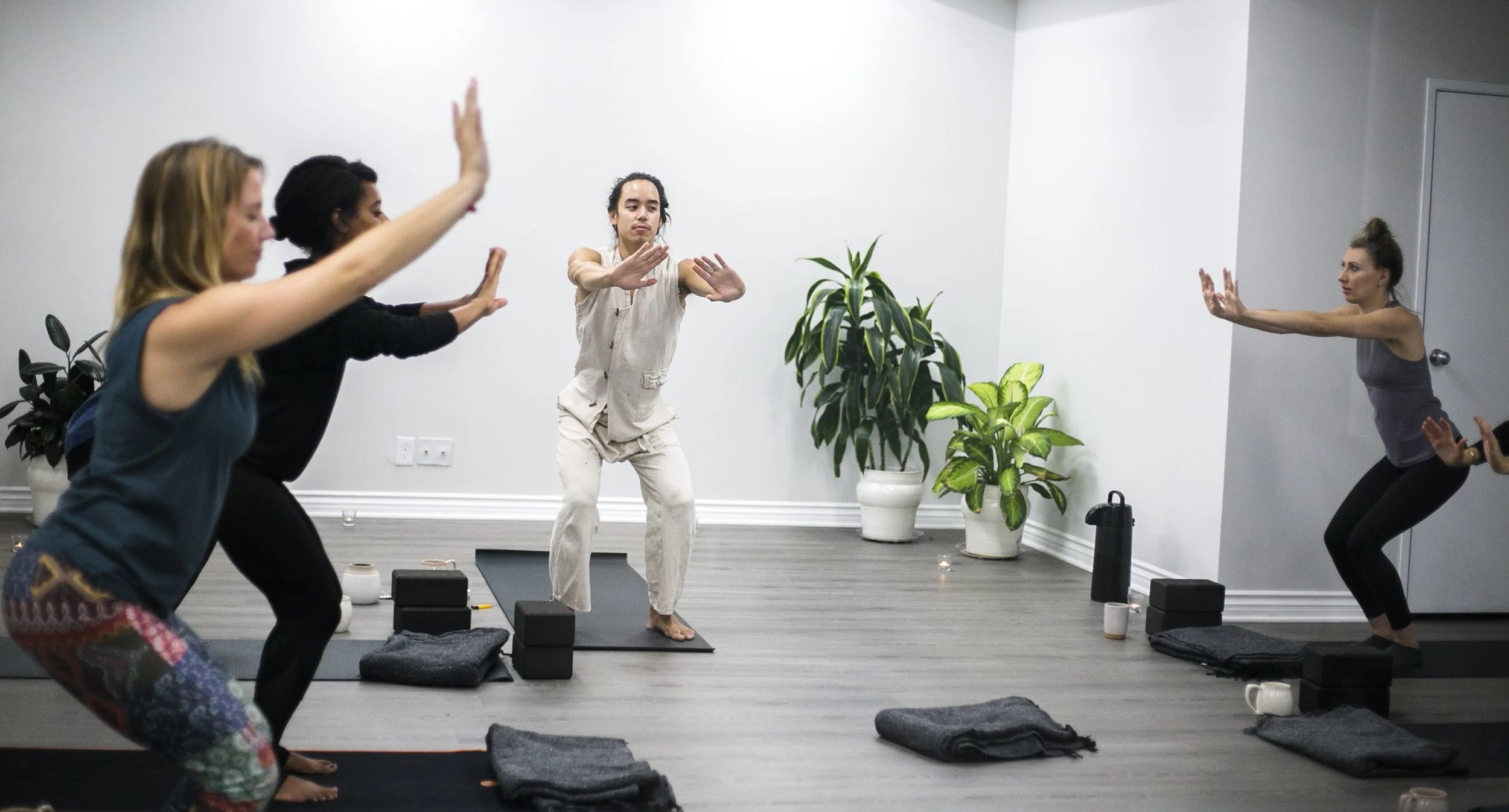
This is one reason movement practices such as walking, yoga, strength training, dance, tai chi, and mobility work may support more than physical fitness. They also challenge the brain to communicate with the body in dynamic and adaptive ways.
The most valuable movement for brain health is often the kind that is consistent, varied, and appropriately challenging. Repeating familiar exercises has benefits, but introducing new movement patterns can create additional opportunities for neural engagement.
The body teaches the brain through motion.
Sleep and Recovery Shape the Brain's Capacity to Learn
Neuroplasticity does not happen only during moments of learning. It also depends on recovery.
Sleep plays a central role in memory consolidation, emotional regulation, and neural repair. During restorative sleep, the brain organizes information, strengthens important connections, and supports the processes that allow learning to become integrated.
Poor sleep can interfere with attention, decision making, emotional resilience, and memory formation. Over time, inadequate recovery may reduce the brain's ability to adapt effectively.
This is why cognitive health cannot be separated from sleep quality. Individuals seeking better focus, sharper memory, or greater creativity often need to evaluate not only how they stimulate the brain, but also how well they allow the brain to recover.
Rest is not the opposite of learning. It is part of the process that makes learning possible.
Stress Can Narrow the Brain's Flexibility
Stress is not always harmful. In the right amount, challenge can sharpen attention, increase motivation, and support adaptation. The issue arises when stress becomes chronic and recovery becomes insufficient.
When the nervous system remains in a prolonged state of activation, the brain may become more focused on threat detection than creativity, learning, curiosity, or flexible problem solving. Chronic stress can influence attention, memory, sleep, emotional regulation, and cognitive performance.
From a whole person perspective, supporting neuroplasticity requires supporting the nervous system. Breathwork, acupuncture, mindfulness, time in nature, movement, meaningful connection, and consistent recovery practices can help the body shift out of chronic activation and into states that support integration and repair.
The brain learns best when it is challenged, but not overwhelmed.
Small Daily Changes Can Support Lifelong Brain Health
Supporting neuroplasticity does not always require dramatic lifestyle changes. In many cases, small moments of novelty practiced consistently throughout the day can encourage the brain to engage more actively with its environment.
Examples include:
Using your non dominant hand for simple daily tasks
Taking a different route during your walk or commute
Reading about a topic outside your usual interests
Learning a few words in another language
Trying a new movement pattern through yoga, dance, tai chi, or another practice
Cooking a recipe you have never prepared before
Listening to unfamiliar styles of music
Practicing focused attention for one uninterrupted minute without checking your phone
Having a meaningful conversation with someone who sees the world differently
Visiting a new environment and paying attention to sensory details
These activities encourage the brain to process new information rather than relying exclusively on familiar routines. Over time, repeated exposure to new experiences helps strengthen the neural pathways that support learning, adaptability, and cognitive resilience.
The objective is not constant novelty. The objective is giving the brain regular opportunities to remain engaged with life.
The Saffron Method™ Supports Brain Health Through Whole-Person Care
At Saffron & Sage, we believe cognitive performance cannot be separated from overall health.
Through The Saffron Method™, we help members understand the biological factors that influence brain function, neuroplasticity, and healthy aging while creating personalized care plans that support vitality at every stage of life.
Rather than focusing solely on cognitive exercises, we evaluate the broader systems that influence brain health, including nutrition, sleep, stress resilience, metabolic function, hormone balance, inflammation, nervous system regulation, and physical recovery.
Members may benefit from services including:
Integrative physicals
Comprehensive laboratory diagnostics
Functional medicine
Nutritional therapy
This integrated approach allows us to support the brain by strengthening the health of the entire body.
Lifelong Learning Is an Investment in Healthy Aging
Healthy aging involves more than preventing disease. It also involves preserving curiosity, adaptability, memory, problem solving, creativity, emotional resilience, and the ability to continue learning throughout life.
Research increasingly suggests that physically active lifestyles, meaningful social engagement, continuous learning, restorative sleep, and effective management of chronic health conditions all contribute to maintaining cognitive function as we age (The Lancet Healthy Longevity; Lifestyle Factors and Healthy Cognitive Aging).
These findings reinforce an important message. The choices we make each day influence more than immediate wellbeing. They help shape how the brain functions for years to come.
Neuroplasticity reminds us that the brain remains responsive to the life we provide it.
Your Brain Thrives on Meaningful Challenge
The brain was not designed for stagnation. It thrives on meaningful challenge, purposeful engagement, movement, connection, recovery, and novelty.
Every unfamiliar skill, new experience, movement practice, thoughtful conversation, and opportunity to learn encourages the brain to strengthen the connections that support memory, creativity, resilience, and cognitive performance.
At the same time, these experiences are most effective when supported by healthy sleep, proper nutrition, physical movement, stress resilience, and comprehensive healthcare.
Long term brain health is not built through isolated activities. It is built through a lifestyle that continually supports the brain's ability to adapt.
Experience The Saffron Method™
At Saffron & Sage, we believe lasting cognitive health begins with whole person care. Through The Saffron Method™, we combine integrative physicals, advanced diagnostics, functional medicine, nutritional therapy, acupuncture, breathwork, and personalized care planning to support brain health, physical health, and lifelong wellbeing.
Whether your goal is to sharpen focus, strengthen resilience, support healthy aging, or optimize long term cognitive performance, our team works together to create a personalized strategy designed around your unique health journey.
To learn more about The Saffron Method™ and Saffron & Sage's holistic healthcare services, call us at 619-933-2340 and discover a comprehensive approach to lifelong brain health and vitality.
Disclaimer: This post is for educational and informational purposes only and does not constitute medical advice, diagnosis, or treatment. Always consult a qualified healthcare provider before making health decisions. Medical services provided by Kasawa Medical APC, dba Saffron & Sage MD, an independent California medical practice. Non-medical wellness services provided by Saffron & Sage LLC, dba Saffron & Sage.