
The Acupuncture Edge: What Clinical Research Says About Performance Recovery and Nervous System Optimization
Author: Dr. Kolin Durrant, Integrative Care Director, Doctor of Acupuncture & Chinese Medicine
For many high performers, acupuncture remains misunderstood. It is often viewed as something that may work for some individuals, but not necessarily as a clinically grounded intervention.
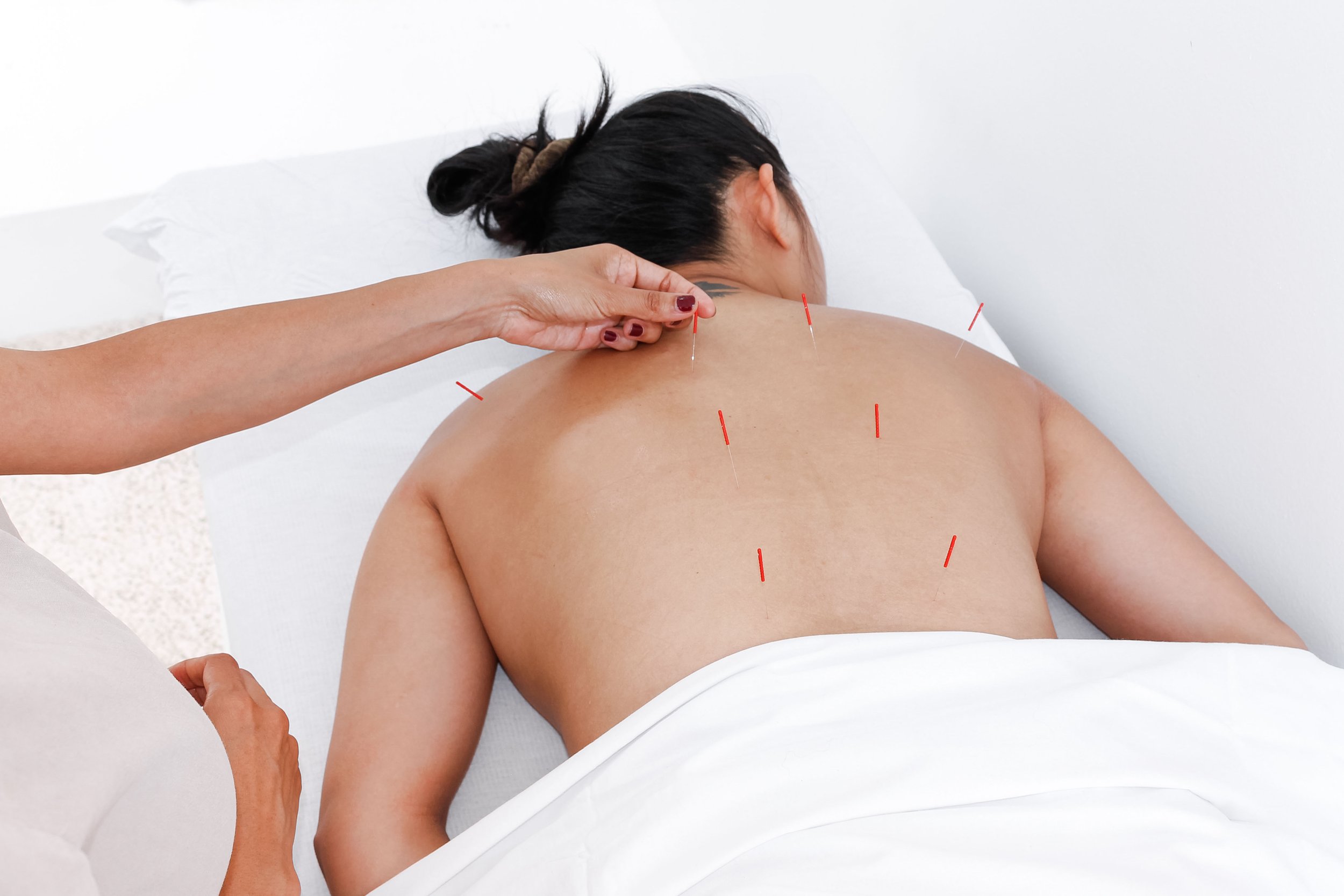
For many high performers, acupuncture remains misunderstood. It is often viewed as something that may work for some individuals, but not necessarily as a clinically grounded intervention.
At Saffron and Sage, acupuncture is approached differently. It is not positioned as passive care. It is used as a targeted, physiology-driven intervention designed to influence the nervous system, reduce structural strain, and improve recovery capacity.
The more relevant question is not whether acupuncture works. The question is how it works, and whether it belongs within a performance and longevity strategy.
What Is Orthopedic Acupuncture and Why It Matters
Orthopedic acupuncture is practiced within a biomedical framework. Rather than relying exclusively on traditional terminology, it incorporates anatomy, neurology, and musculoskeletal assessment to guide treatment.
This allows acupuncture to integrate directly into modern clinical care, particularly for individuals experiencing chronic stress, physical tension, or limited recovery.
Research led by Helene Langevin demonstrates that acupuncture needling creates measurable changes in connective tissue and fascia, supporting both localized and systemic healing responses (Connective Tissue Involvement in Acupuncture)
What Actually Happens in the Body During Treatment?
Acupuncture initiates a series of coordinated physiological responses rather than acting as a passive modality.
At the local level:
Increased blood flow supports tissue repair
Inflammatory signaling is modulated
Adenosine release contributes to pain reduction
At the neurological level:
Pain modulation pathways are activated
Endogenous opioid release is stimulated
Sensory processing becomes more regulated
At the systemic level:
The autonomic nervous system shifts toward parasympathetic activity
Stress hormone output is influenced
Recovery pathways become more accessible
Clinical studies have shown that acupuncture can influence the hypothalamic pituitary adrenal axis, supporting cortisol regulation and improving stress resilience (Electroacupuncture and Chronic Stress Response)
How Does Acupuncture Improve Performance and Recovery?
The applications for high performers are specific and measurable.
Chronic pain is one of the most well-supported areas. Large-scale analyses show acupuncture significantly reduces musculoskeletal pain and improves function over time.
Stress regulation is another key benefit. By improving vagal tone and lowering cortisol, acupuncture enhances emotional regulation, focus, and recovery capacity.
Sleep quality improves as the nervous system stabilizes. Many clients report deeper, more restorative sleep within a few sessions.
Cognitive performance also benefits. Improved blood flow and reduced neuroinflammation support clarity, memory, and decision-making.
A comprehensive review published in Sleep Medicine Reviews found acupuncture significantly improves sleep quality, including sleep onset and efficiency, particularly in stress-related insomnia (Acupuncture for Insomnia: Systematic Review and Meta-Analysis)
Why High Performers Often Miss the Opportunity
Many professionals default to managing symptoms rather than addressing underlying physiology.
Pain is temporarily suppressed. Stress is normalized. Sleep disruption is worked around rather than resolved.
These patterns are not isolated issues. They are interconnected outputs of a dysregulated system.
Acupuncture targets that system directly. It supports the body’s ability to regulate, recover, and adapt rather than simply masking symptoms.
What a Clinical Protocol Looks Like
In a performance setting, acupuncture is not approached as a single session intervention.
An effective protocol typically includes:
A structured series of treatments over several weeks
Ongoing reassessment of nervous system and structural patterns
Adjustments based on response and performance goals
At Saffron and Sage, treatment plans are individualized. Structural alignment, stress load, recovery patterns, and performance objectives are evaluated before building a protocol.
The objective is not temporary relief. It is consistent improvement in how the body performs and recovers.
The Integration Advantage
Acupuncture is most effective when it is part of a broader integrative strategy.
At Saffron and Sage, it is combined with:
Somatic therapies for nervous system regulation
Functional medicine to address metabolic and hormonal factors
Recovery protocols that support long term resilience
This integrated model allows individuals to move beyond symptom management into measurable optimization.
Close the Gap Between Effort and Recovery
If performance remains high but recovery feels inconsistent, the issue is rarely effort alone. It is regulation.
Acupuncture provides a clinically grounded pathway to restore nervous system balance, reduce pain at its source, and improve the body’s capacity to support sustained output.
At Saffron and Sage in San Diego, our team delivers personalized, evidence informed protocols designed for high performers seeking measurable results.
To schedule your Strategy Briefing, visit saffronsageliving.com or call 619-933-2340.
Disclaimer: This content is for educational and informational purposes only and does not constitute medical advice, diagnosis, or treatment. Always consult a qualified healthcare provider before making health decisions. Medical services are provided by Kasawa Medical APC, doing business as Saffron and Sage MD, an independent California medical practice. Non medical wellness services are provided by Saffron and Sage LLC, doing business as Saffron & Sage.